soniengg.com

Biscuit Dough Mixer

Biscuit Dough Mixer

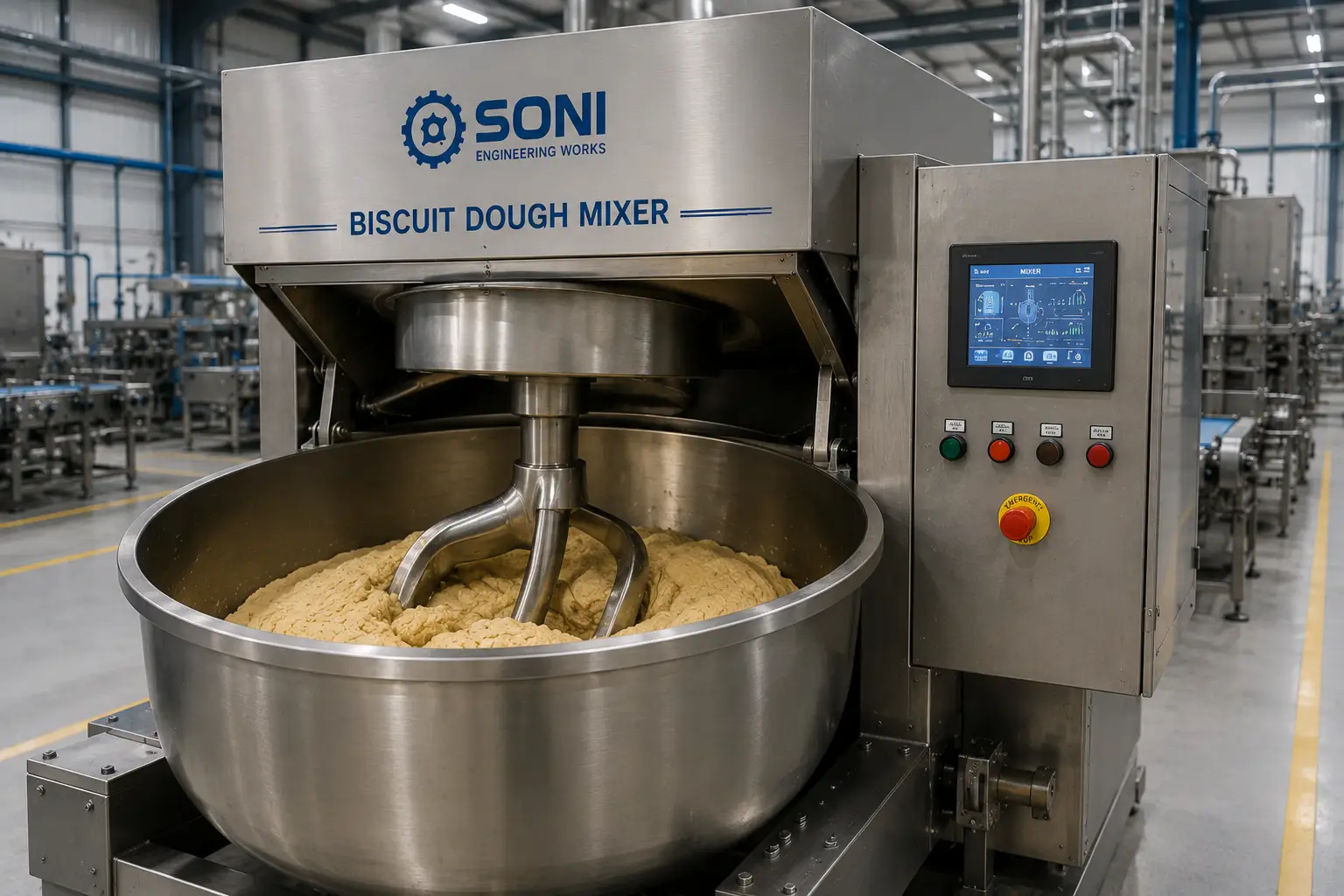
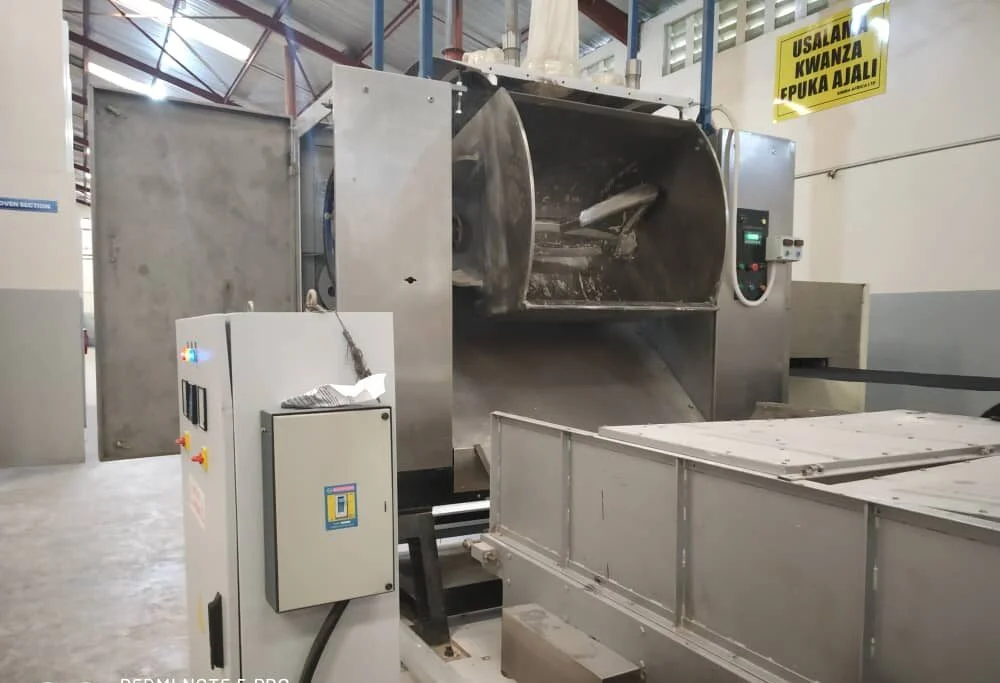
Most biscuit equipment is sized for one output level. This mixer isn’t. The kneading capacity runs from 100 kg/h up to 500 kg/h within the same machine, which means it covers trial batches and full-shift production without swapping equipment at either end. The 40hp (30kW) motor drives that range through a frequency controller. At 100 kg/h, the controller steps the motor down to match what the batch actually needs. At 500 kg/h, it runs at the upper end. The practical result: the motor isn’t drawing full power when the workload doesn’t call for it, which reduces energy use and lowers wear on the drive components over the machine’s service life. This mixer is manufactured in Ambarnath, Maharashtra and supplied to biscuit producers across India.

Technical Specifications

Parameter

Specification

Motor Capacity

40hp (30kW)

Speed Control

Frequency Controller

Kneading Capacity

100–500 kg/h

Side Plates Material

Stainless Steel

Main Plates Material

Mild Steel

Where Each Material Gets Used

The side plates are the surfaces the dough contacts during kneading. Stainless steel is specified here because food-contact components in processing equipment are typically required to meet corrosion resistance and hygiene standards. It holds up to repeated washing with cleaning agents without degrading or contributing residue to the product. The main plates carry the structural load of the mixing operation. That’s a mechanical function, not a food-contact one, so mild steel is the right call. It handles the load, and specifying stainless steel throughout the structure would add cost without adding function where function isn’t needed.

Frequently Asked Questions

01. What does the frequency controller do for energy use across different batch sizes?

A frequency controller adjusts the electrical frequency supplied to the motor, which changes how fast it runs. At lower batch sizes, the motor doesn’t need to run at full speed, and the controller steps it down proportionally. Lower speed means lower power draw. On a machine running multiple batches per shift, that reduction is real. It also means the motor spends less time at peak load, which affects long-term wear on internal components more than any single session performance figure suggests.


At 100 kg/h, the machine suits recipe development, smaller orders, or trial runs where producing a full-capacity batch would generate more output than needed. At 500 kg/h, it keeps pace with a full biscuit production line without becoming the throughput constraint. Both ends use the same machine and the same motor. The frequency controller is what makes the range possible rather than requiring separate equipment for each output level.

The side plates are the dough-contact surfaces, and they’re stainless steel. The main structural plates form the frame of the machine and don’t contact the product during operation. Those are mild steel. This split is standard in food processing equipment: corrosion-resistant material where the product touches, load-bearing material where it doesn’t.

Our Services

Have a
project in
mind?

Request Biscuit Plant Configuration